
By Keila Doyle, Founder of GolfHero (previously Golffily)
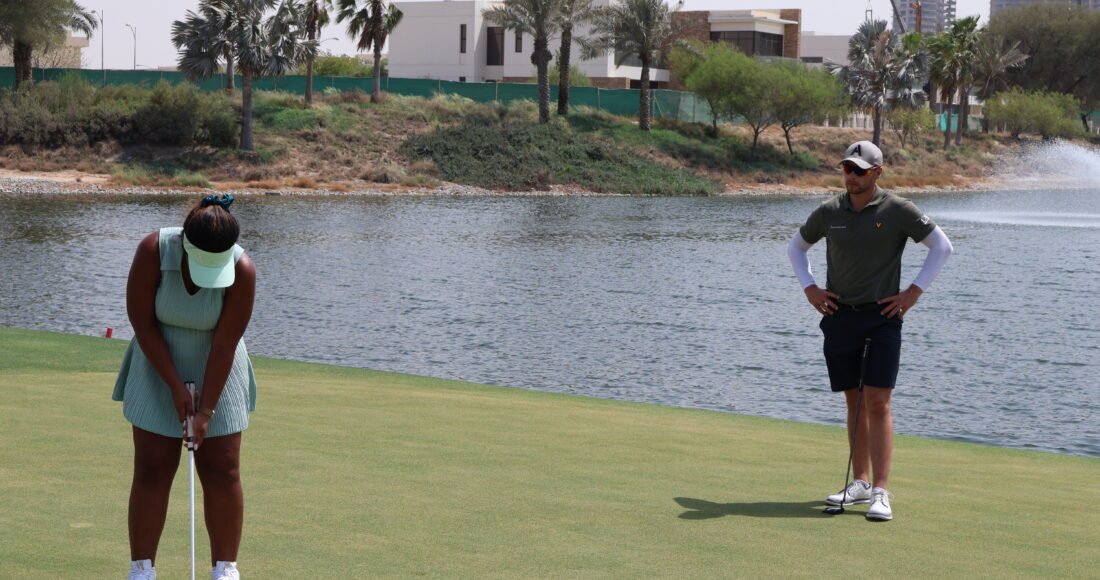
For decades, the joke wrote itself: golf was where men in suits went to close deals while everyone else stayed at the office. The frustrating part was that the joke contained a truth. Golf really was where relationships were built and opportunities were quietly handed out, and women were largely absent from those conversations. What has changed, and faster than most people realise, is not the game itself. It is who is playing it, and what they are playing for.
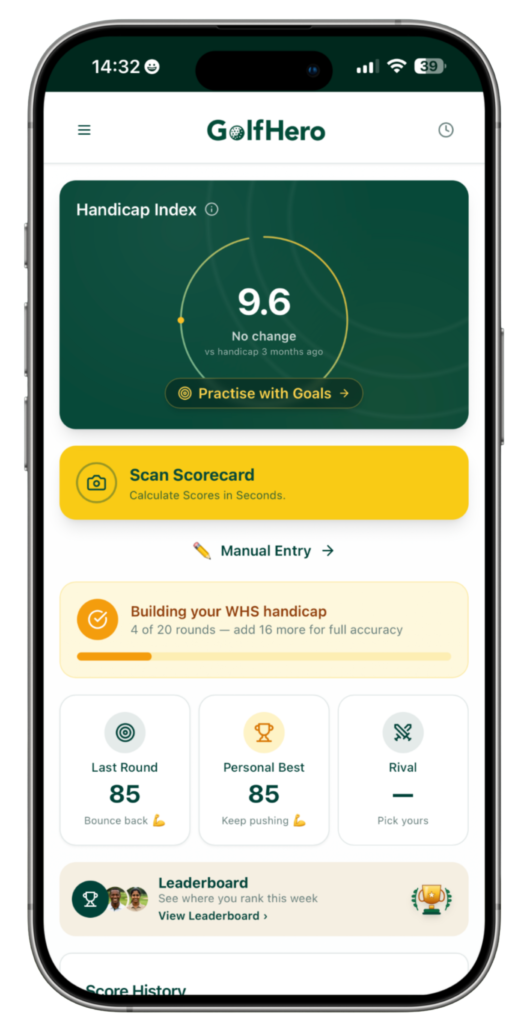
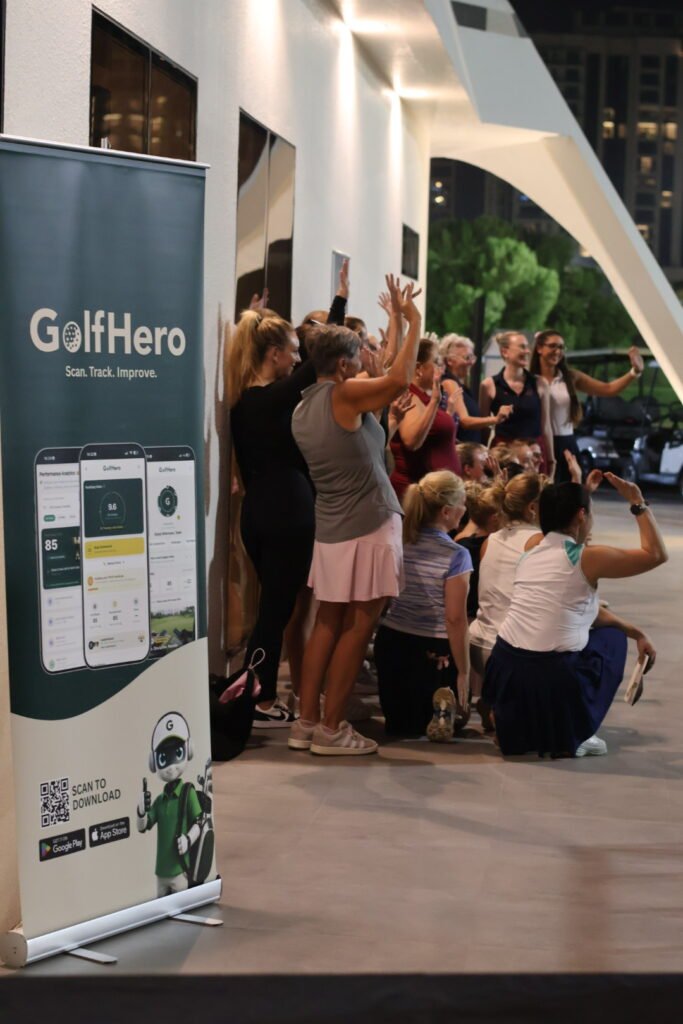
Across the region and beyond, women’s golf events, leagues, corporate days, and communities, such as found on GolfHero, are multiplying, and they are doing something that traditional networking has always struggled to achieve. They create spaces where business networking and community-building happen at the same time. A conference hands you a lanyard and forty seconds of small talk. A women’s league hands you the same faces week after week, a shared challenge, and the kind of familiarity that turns a contact into an ally. I have watched women arrive at their first corporate golf day knowing nobody and leave with a mentor, a client, and a standing tee time.
Why does golf work where the drinks reception fails? Time, mostly. A round of golf is four hours of walking, waiting, and talking, with no agenda and no exit at the coffee station. There are very few professional settings where you spend that long with someone and see how they handle frustration, luck, and a ball buried in a bunker. Those hours produce meaningful conversations, and meaningful conversations produce the long-term professional connections that a stack of business cards never will. Deals are rarely signed on the eighteenth green, but the trust that makes them possible is built between the first tee and the last putt.
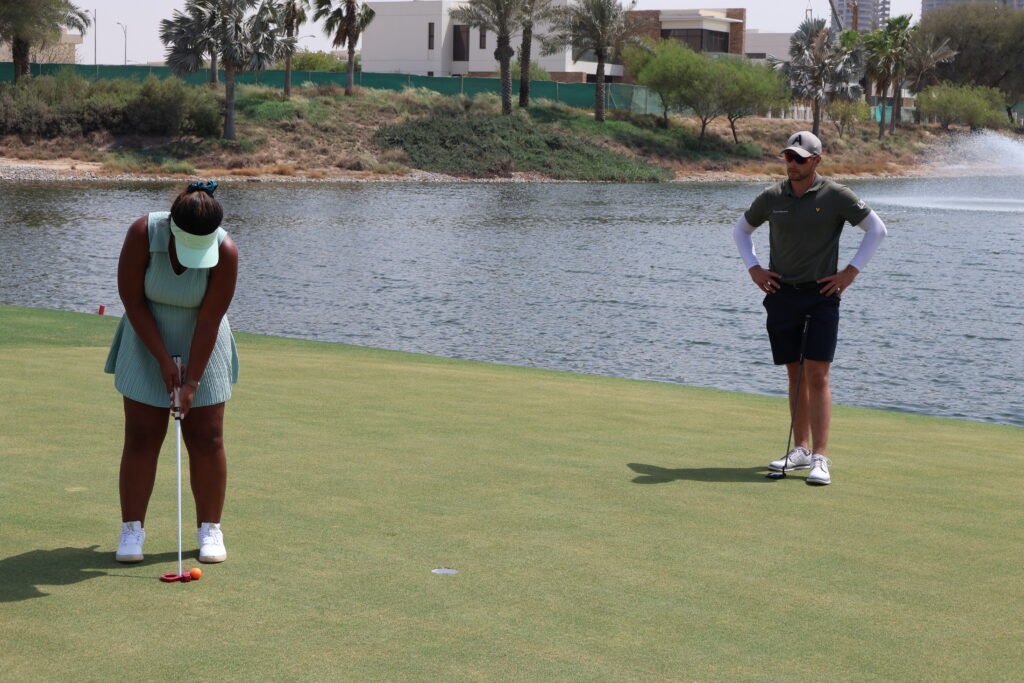
There is something else the fairway offers women that the office often does not: a place to build confidence, visibility, and influence on their own terms. In many organisations, the informal hierarchy is set in rooms women were never invited into. Golf flips that. Standing over a tee shot in front of your CEO is nerve-racking exactly once. After that, it becomes evidence that you belong in high-pressure moments, and that evidence follows you back to the boardroom. Skill matters less than people fear. Nobody remembers your score; they remember that you showed up, laughed at your shanks, and asked good questions on the back nine.

Sceptics will say this is simply the old boys’ club with a new membership list. I would argue it is something better. The women’s golf communities growing today were built deliberately to be welcoming, to teach beginners without judgement, and to mix seniority levels in a way offices rarely do. That intentionality is the difference.
My advice to any woman who has dismissed golf as not for her is the advice I wish someone had given me earlier: book the lesson, join the league, accept the corporate day invitation. The game will humble you and the people you meet playing it might just change your career.