tulåh Clinical Wellness takes a whole-person approach to longevity, bringing together modern medicine, advanced diagnostics, Ayurveda, nutrition, movement and mind-body care to support health and vitality for longer.
As GCC travellers increasingly seek more meaningful, preventative approaches to wellbeing, longevity is moving beyond a wellness trend to become a more considered way of thinking about how we live, restore and thrive. As the focus shifts from simply extending lifespan to extending healthspan, a more fundamental question is emerging: what does it actually mean to age well?

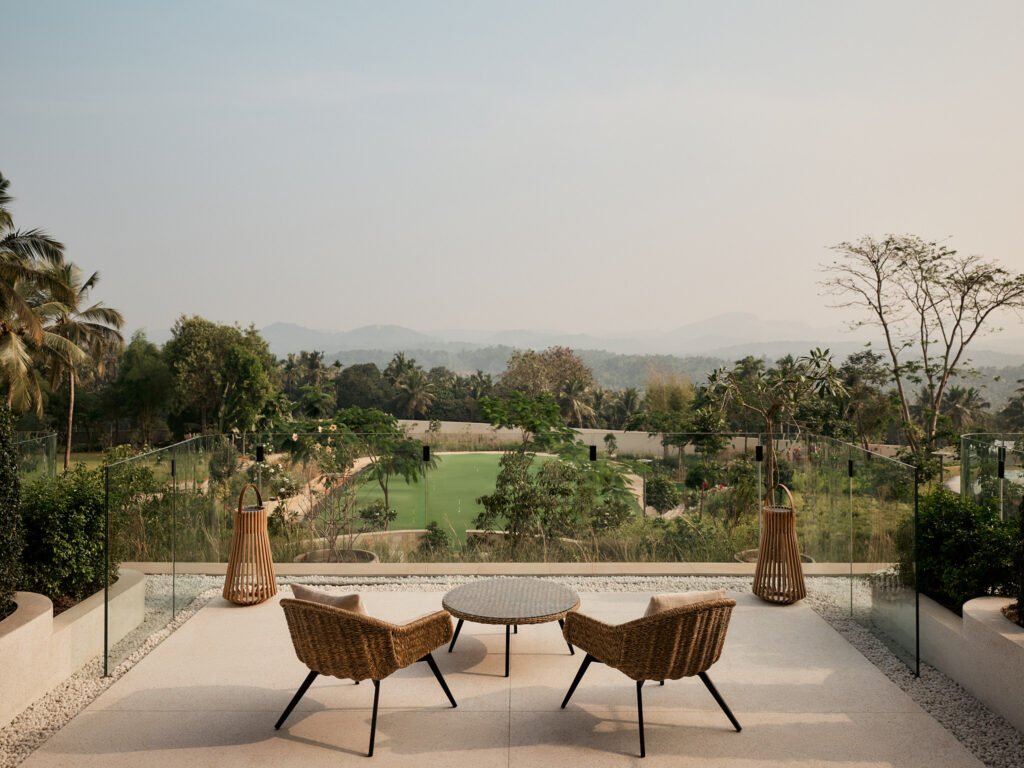
At tulåh Clinical Wellness, set in the lush landscapes of Kerala, India, the approach looks beyond traditional anti-ageing treatments to consider longevity as the ability to remain physically strong, cognitively resilient, and emotionally balanced for as long as possible. At the heart of the philosophy is the belief that healthy ageing is shaped by the many interconnected aspects of an individual’s health and lifestyle. tulåh’s longevity programmes take a personalised, multidisciplinary approach, considering factors including cardiovascular and metabolic health, muscle mass, bone density, cognitive function, nutrition, sleep, stress and emotional wellbeing. By bringing these elements together, tulåh aims to support long-term vitality, resilience and quality of life as guests age.
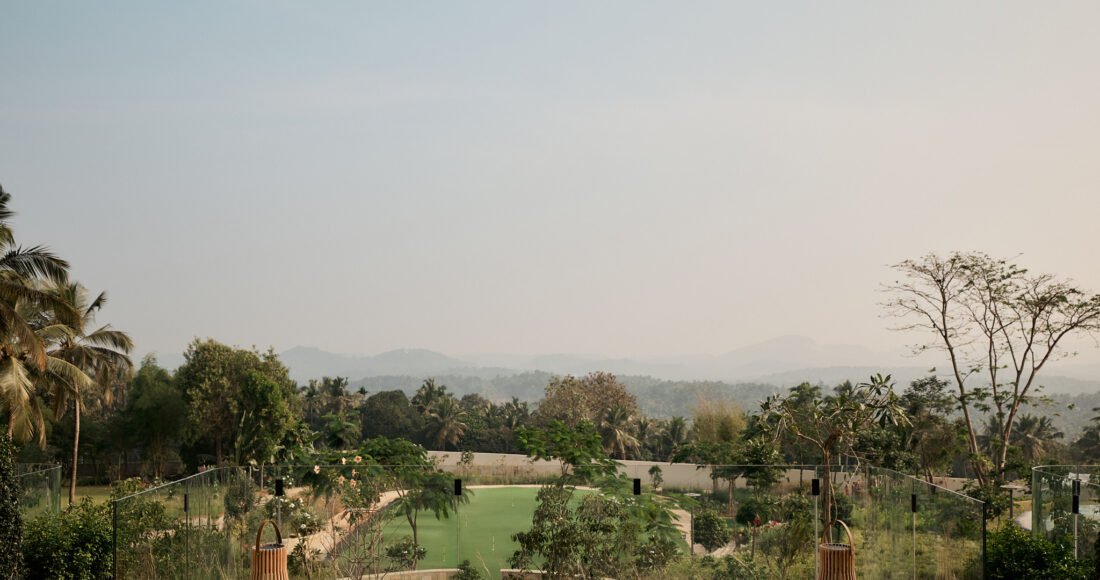
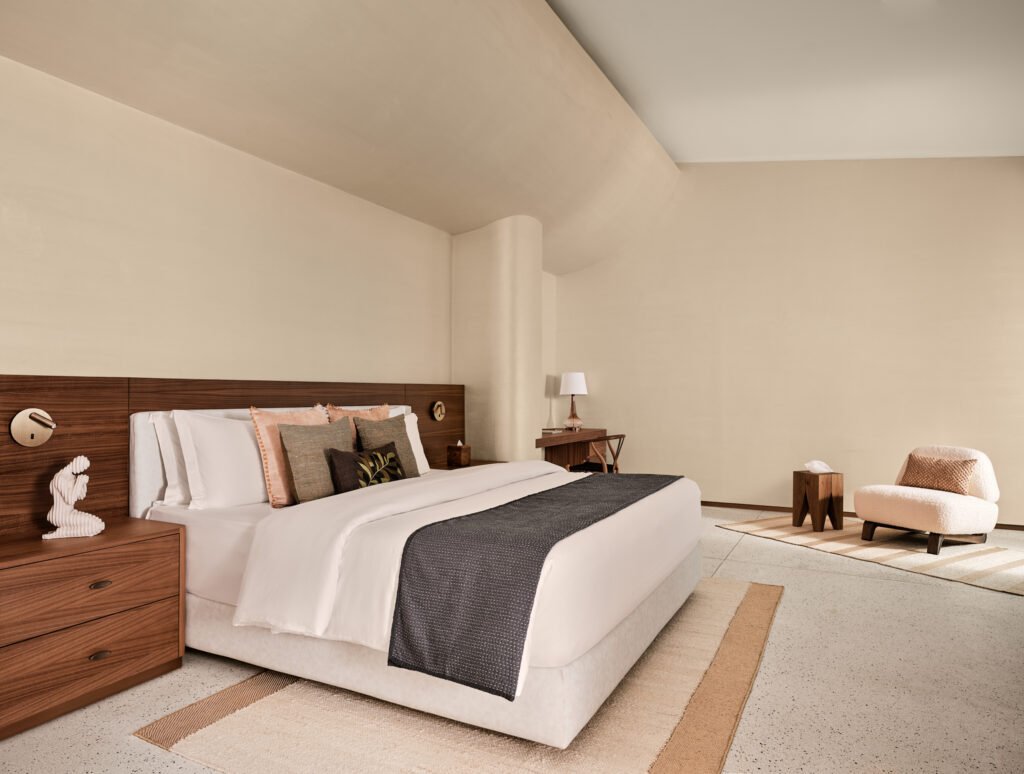
Located in Calicut in northern Kerala, around 30 minutes from Calicut Airport and under three hours from Kochin International Airport, tulåh offers an easy escape for travellers from across the region, approximately four hours from Dubai and around four and a half hours from Abu Dhabi. The retreat is set across 30 acres of gardens and rewilded forest, combining the privacy and comfort of a luxury retreat with the clinical infrastructure of a health destination, supported by the specialists of its sister hospital, Meitra, in Calicut. With 35 thoughtfully designed suites, guests have a private and restorative base from which to undertake personalised health journeys, allowing clinical care, lifestyle and hospitality to become part of the same experience.
Each longevity journey at tulåh begins by establishing where the body stands today. Chronological age advances at a fixed rate, but biological age does not: it reflects how the body has responded over time to metabolism, inflammation, stress, sleep, environment and lifestyle. tulåh reads biological age in two ways. Advanced TruAge epigenetic profiling analyses DNA methylation patterns, with DunedinPACE measuring the pace of biological ageing relative to chronological time, where a score below 1.0 indicates slower ageing and above 1.0 faster ageing. SYMPHONY, developed with Yale University, then assesses epigenetic age across 11 distinct organ systems, recognising that the liver, immune system and other organs can age at very different rates.
These insights sit alongside deep metagenomic sequencing of the gut microbiome, advanced blood profiling across metabolic, hormonal, inflammatory and cardiovascular markers, CT coronary calcium scoring, DEXA bone density scans, and VO₂ max, strength and functional capacity testing. The results are brought together in The tulåh Life Index™, which tracks seven markers of health: cardiovascular health, muscle health, immune health and inflammation, gut health, lifestyle risk, quality of life and stress management. A multidisciplinary clinical council of doctors, Ayurvedic physicians, physiotherapists, nutritionists and psychologists then reads these results alongside an Ayurvedic assessment of each guest’s individual constitution to design a personalised pathway.

“Chronological age records time; biological age records its effects,” says Dr Mohit, Head of Modern Medicine, tulåh Clinical Wellness. “The calendar tells us how long someone has lived, but biology tells us how their body is ageing, and no single number captures that. Reading these measures together shows us precisely where to intervene.”
One area receiving increasing attention is muscle health. While ageing is often discussed in terms of wrinkles, hormonal changes or chronic disease, the gradual loss of muscle mass and strength can have profound implications for mobility, independence and quality of life. Led by Chief Medical Officer and orthopaedic surgeon Dr Ravi Parihar, tulåh’s work on diseases like sarcopenia brings together modern medicine, physiotherapy, sports science, clinical nutrition and yoga. Strength, mobility and functional capacity are measured through VALD performance testing alongside body composition and bone density assessments, giving the team a clear baseline from which to build, and track, a personalised strength and conditioning programme.
“Muscle is one of the strongest predictors of how well we age, yet it is rarely measured until something goes wrong,” says Dr Ravi Parihar, Chief Medical Officer, tulåh Clinical Wellness. “Maintaining strength protects balance, mobility and independence later in life, and it is something we can measurably improve at any age.”
The same preventative philosophy applies to cognitive health. Rather than waiting for noticeable decline, tulåh incorporates neurocognitive profiling to assess areas including memory, executive function, attention, cognitive flexibility and processing speed. These assessments can help identify areas of vulnerability and inform personalised strategies spanning nutrition, psychological wellbeing, movement, sleep and mind-body practices.
Within tulåh’s model, nutrition is personalised according to each guest’s physiology, microbiome and health profile, while movement programmes are designed to preserve strength, mobility, balance and functional capacity. Clinical psychology and mind-body practices recognise the role that stress, emotional resilience and sleep play in sustaining health over the long term.
Underlying the programme is tulåh’s integration of Ayurveda and Rasayana, one of the eight branches of classical Ayurveda, dedicated to rejuvenation, preservation of vitality and healthy ageing. Under Dr Vishnuraj Prakash, Head of Ayurveda and Functional Medicine, each programme includes a Prakriti assessment of the guest’s Ayurvedic constitution, which shapes personalised therapies, diet and daily routine alongside contemporary diagnostics and medical care.
“Rasayana has always been about preserving vitality rather than treating illness once it appears, which is exactly where modern longevity medicine has arrived,” says Dr Vishnuraj Prakash, Head of Ayurveda and Functional Medicine, tulåh Clinical Wellness. “Diagnostics tell us what is happening in the body; Ayurveda helps us understand the person, and how to restore balance in a way they can sustain.”
The experience is intentionally designed to extend beyond the consultation room. Guests can begin their day with movement or yoga, enjoy personalised meals, undertake clinical assessments and therapies, and spend time in tulåh’s surrounding gardens and natural landscape. The environment itself forms part of the experience, creating space to step away from the routines and pressures of everyday life. Before departure, each guest receives a personalised post-care plan, with the tulåh app and compatible wearables supporting their progress once they return home. Biological age, organ-specific ageing, microbiome composition and functional capacity can then be reassessed over time, giving an objective measure of how the body responds.
As longevity continues to evolve beyond the traditional pursuit of looking younger, tulåh positions ageing well as a more holistic ambition: maintaining the strength to move, the cognitive resilience to remain engaged, the emotional capacity to adapt and the vitality to continue living meaningfully. The objective is not to stop the ageing process, but to approach it with greater understanding, prevention and intention.
Longevity journeys at tulåh start from US$1,600 per night, inclusive of accommodation, meals, diagnostics, consultations and therapies, with a minimum stay of four nights.
Please visit www.tulah.life for more details.