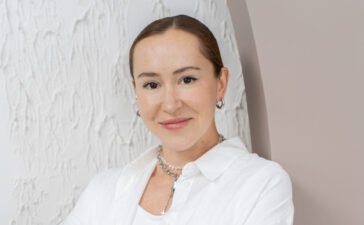
Iuliana Cotocel is a Functional Medicine Practitioner, Nutritionist, and Women’s Health Specialist dedicated to helping women restore balance, optimize fertility, and achieve long-term hormonal health
- Can you share your approach to integrating functional medicine and nutrition specifically for women dealing with PCOS and fertility challenges?
My approach to supporting women with PCOS and fertility challenges is deeply rooted in personalization and understanding the why behind their symptoms. Functional medicine allows me to look beyond the diagnosis and explore the root causes, whether that’s insulin resistance, chronic inflammation, gut imbalances, hormonal dysregulation, or genetic predispositions.
I always begin with a comprehensive assessment, often including advanced testing such as DNA analysis, to understand how each woman’s body responds to nutrients, stress, detoxification, and hormone metabolism. This allows me to create a truly individualized plan rather than applying a one-size-fits-all protocol.
Nutrition plays a central role. I focus on stabilizing blood sugar, reducing inflammation, and nourishing the body with whole, nutrient-dense foods that support hormone balance and ovulation. This often includes a Mediterranean-style approach, tailored to be anti-inflammatory and supportive of insulin sensitivity, while also ensuring adequate protein, healthy fats, and key micronutrients essential for reproductive health.
Beyond nutrition, I integrate targeted supplementation, lifestyle strategies, and nervous system regulation. Stress is a major but often overlooked factor in fertility, so supporting the body through rest, circadian rhythm alignment, and emotional wellbeing is just as important as food and supplements.
- What strategies have you found most effective in helping women achieve long term hormonal balance?
When it comes to long-term hormonal balance, the most effective strategy is shifting from short-term fixes to sustainable, daily practices that support the body over time. Hormones don’t respond to extremes; they respond to consistency.
One of the key pillars is blood sugar regulation. I often say this is the foundation of hormone health. Balanced meals rich in protein, healthy fats, and fiber help stabilize insulin levels, which in turn supports everything from ovulation to mood and energy.
Equally important is reducing chronic inflammation. This involves focusing on whole, unprocessed foods, supporting gut health, and minimizing environmental toxins that can disrupt the endocrine system.
Another essential piece is nervous system regulation. Many women today are living in a constant state of stress, which directly impacts cortisol and, downstream, all other hormones. Simple practices like improving sleep quality, spending time in nature, and creating moments of stillness can have profound effects on hormonal balance.
I also emphasize personalization. What works for one woman may not work for another, which is why I integrate tools like functional testing and, when possible, genetic insights to tailor each protocol.
Ultimately, long-term hormonal balance comes from creating a lifestyle that the body feels safe and supported in, where nourishment, rhythm, and consistency replace restriction and overwhelm.
- How do you tailor your treatments to meet the unique cultural and lifestyle needs of women in the UAE?
When it comes to long-term hormonal balance, there are certain non-negotiables I believe every woman should follow, regardless of her background or lifestyle. The foundation always starts with balanced nutrition, ensuring the body consistently receives the three essential macronutrients: protein, fiber, and carbohydrates. When these are in place, the body feels safe, stable, and supported.
From there, I focus on incorporating specific functional foods that act as “healing foods”, supporting processes such as blood sugar regulation, detoxification, gut health, and hormone metabolism. This is where nutrition becomes truly therapeutic, not just foundational.
Beyond food, consistency is key. Hormones thrive on rhythm, not extremes. Supporting blood sugar balance throughout the day, prioritizing quality sleep, and regulating the nervous system are all essential for sustainable results.
I also emphasize personalization. While the foundations remain the same, the way we apply them varies from woman to woman. By considering lifestyle, stress levels, and, when possible, functional testing or genetic insights, I tailor each protocol, so it fits seamlessly into her life.
Lifestyle also plays a key role. Many women in the UAE navigate demanding schedules, social commitments, and, at times, extreme climates that can impact movement, sunlight exposure, and vitamin D levels. I tailor protocols that are realistic within this context, whether that’s adjusting meal timing, supporting energy levels during fasting periods like Ramadan, or creating practical routines that fit into busy daily lives.
I’m also mindful of the emotional and social aspects of health. In many cultures, topics like fertility or hormonal struggles can be sensitive, so creating a safe, supportive, and non-judgmental space is essential.
- Could you provide an example of a patient success story that highlights your impact on women’s health and empowerment?
One of the most rewarding aspects of my work is witnessing not just physical transformation, but the emotional shift that comes with it.
I’ve worked with many women and couples who came to me after multiple unsuccessful IVF attempts, feeling frustrated and disconnected from their bodies. By taking a functional medicine approach, focusing on reducing inflammation, improving insulin sensitivity, supporting nutrient status, and restoring hormonal balance through personalized nutrition and targeted supplementation, we were able to create the right internal environment for conception. In several cases, within just a few months, these women conceived naturally. But beyond the outcome, what truly mattered was that they felt empowered again, understanding their bodies rather than fighting against them.
Another area very close to my heart is working with teenage girls struggling with severe PMS, painful cycles, and chronic acne. These young women often feel overwhelmed and misunderstood. Through a combination of nutrition, gut support, hormone balancing, and advanced aesthetic treatments, I’ve seen incredible transformations, not only in their skin and cycle regularity, but in their confidence. When a young girl no longer fears her period each month or feels comfortable in her own skin, it changes how she shows up in every aspect of her life.
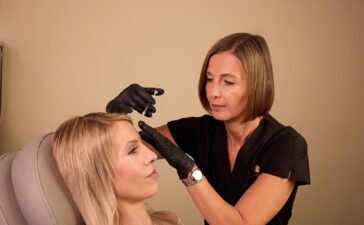
I also integrate aesthetic and anti-aging strategies when appropriate, because skin health is often a reflection of internal balance. Addressing inflammation, supporting collagen production, and optimizing cellular health allows us to approach beauty in a way that is both natural and deeply rooted in overall wellbeing.
- In what ways do you support women entrepreneurs balancing business demands with their health concerns?
Supporting women entrepreneurs requires a very realistic and compassionate approach. These are women who are often high-performing, driven, and deeply committed to their work but at the same time, they are frequently running on empty.
I always begin by simplifying health. Instead of overwhelming them with complex protocols, I focus on non-negotiable foundations that can fit into even the busiest schedules, balanced meals with adequate protein, fiber, and carbohydrates, proper hydration, and small but consistent habits that support energy and hormonal stability.
One of the key areas I address is stress and nervous system regulation. Chronic stress is one of the biggest disruptors of hormones, metabolism, and skin health. I help women build simple, sustainable practices into their day whether that’s structured meal timing, improving sleep quality, or creating small moments of recovery that don’t feel like another task on their list.
Efficiency is also important. I often use targeted supplementation and, when needed, functional testing to accelerate results without adding unnecessary complexity. The goal is to support their body in a way that enhances performance, focus, and resilience.
Most importantly, I help them shift their mindset from seeing health as something separate from their success, to understanding that their energy, clarity, and hormonal balance are actually the foundation of their business performance.
Because when a woman feels well, she leads differently, she has more clarity, more confidence, and a much greater capacity to grow both personally and professionally.
- How do you stay informed about the latest research and advancements in women’s hormonal health and functional medicine?
Staying up to date is an essential part of my work, especially in a field as dynamic as women’s health and functional medicine.
I continuously invest in advanced education, certifications, and clinical trainings, particularly in areas such as hormone health, nutrigenomics, and root-cause medicine. I regularly follow emerging research, clinical studies, and evidence-based protocols to ensure that the strategies I use are both current and effective.
At the same time, I believe that true expertise comes from the combination of science and real clinical experience. Working closely with patients allows me to see how different approaches translate in real life, which helps me refine and personalize my protocols even further.
I also collaborate with other practitioners and stay connected to a global network of experts in functional medicine, which allows for constant exchange of knowledge and perspectives.
Ultimately, my goal is to bring together the best of science, innovation, and practical application, so that every woman I work with benefits from the most up-to-date, yet truly personalized approach to her health.
- What role do you believe nutrition plays in managing PMS symptoms, and how do you communicate this to your clients?
Nutrition plays a central and non-negotiable role in managing PMS symptoms. In many cases, what we see as “normal” PMS – pain, mood swings, fatigue, cravings, is often a reflection of underlying imbalances such as blood sugar dysregulation, inflammation, or nutrient deficiencies.
I always bring my clients back to the foundations first. Every woman should consistently include the three essential macronutrients, protein, fiber, and carbohydrates, in her daily meals. This simple structure helps stabilize blood sugar, which has a direct impact on hormonal fluctuations, mood, and energy levels throughout the cycle.
From there, I introduce specific functional foods that act as healing tools. For example, foods rich in magnesium, omega-3 fatty acids, and antioxidants can significantly reduce inflammation, support the nervous system, and ease common PMS symptoms such as cramps, irritability, and bloating.
Equally important is how I communicate this. I focus on education and empowerment rather than restriction. I want women to understand why they are experiencing certain symptoms and how food can support their body, so they feel in control rather than overwhelmed.
When women start nourishing their bodies consistently and intentionally, PMS is no longer something they have to simply tolerate, it becomes a signal that can be understood, supported, and, in many cases, significantly improved.
8. How do you empower women to take control of their health while respecting individual differences and preferences?
Empowerment, for me, starts with education and awareness. I believe every woman deserves to understand her body, how it works, what it needs, and how to recognize its signals. When a woman understands the why behind her symptoms, she naturally becomes more confident in the choices she makes.
At the same time, I always emphasize that while there are certain non-negotiable foundations, such as balanced nutrition with adequate protein, fiber, and carbohydrates, the way we apply them should always respect the individual. No two women are the same, and their protocols shouldn’t be either.
I consider each woman’s lifestyle, cultural background, preferences, and daily realities. The goal is never to create a perfect routine, but a realistic and sustainable one that she can maintain long-term without feeling restricted or overwhelmed.
I also encourage a shift in mindset, from seeking quick fixes to building a deeper connection with their health. This means learning to listen to their body, understanding patterns, and making adjustments with confidence.
Ultimately, empowerment comes from feeling supported, informed, and in control. When women realize they have the tools to influence their health in a meaningful way, everything changes, not just physically, but emotionally and mentally as well.