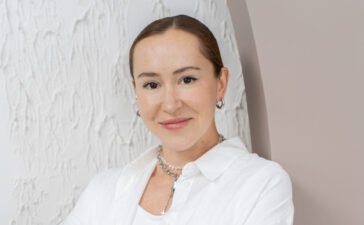
Your work sits at the intersection of dermatology, anatomy, and aesthetics. What drew you to this field?
My path into aesthetic dermatology was shaped by both scientific curiosity and clinical experience. During my PhD in anatomy, I became deeply fascinated by the skin, its structure, its layers, and the subtle ways it changes over time. That academic foundation naturally guided me toward dermatology, but it was my direct work with patients that ultimately defined my direction.
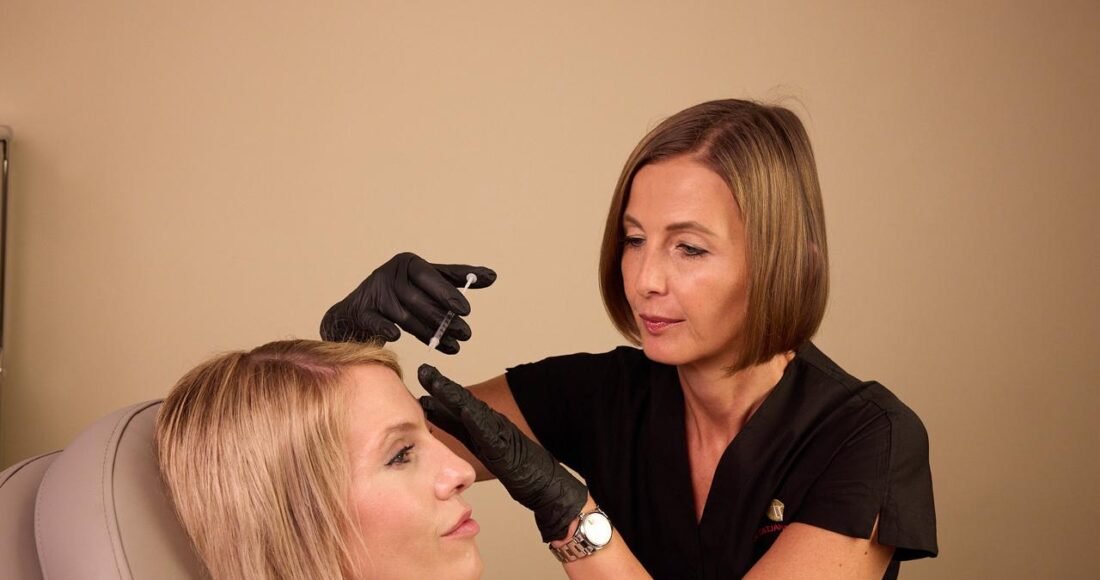
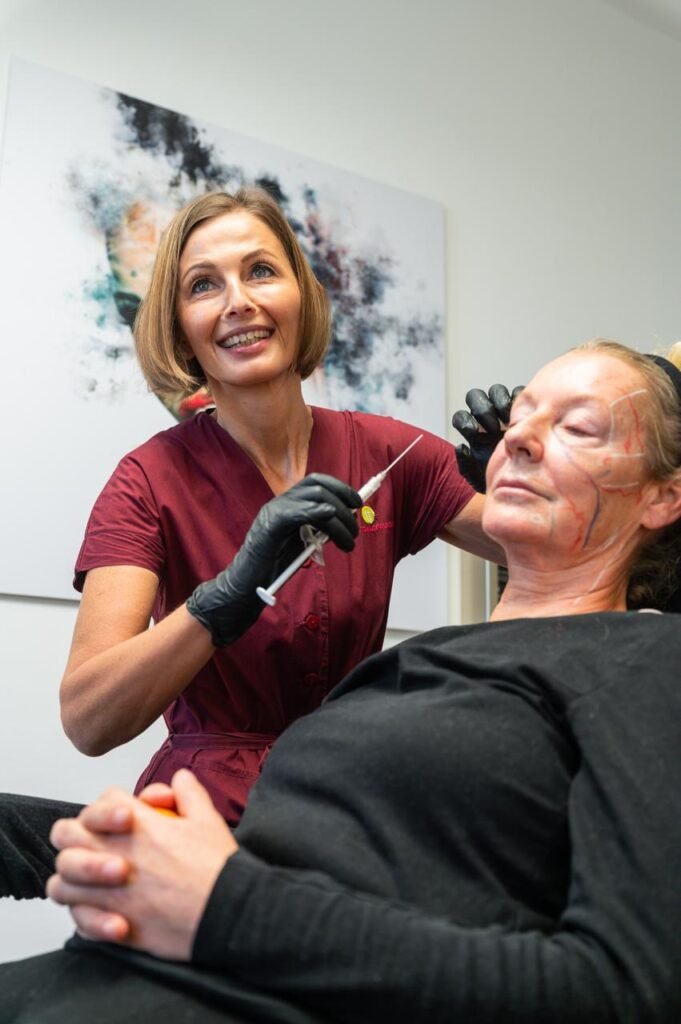
Over the years, I realized that aesthetic medicine is far more than addressing isolated concerns. The face is a complex, dynamic, multi-layered structure, and achieving natural results requires a comprehensive understanding of anatomy along with a highly individualized approach. This perspective inspired me to establish my own clinic and led to the development of my MMITP — the Multi-Layer, Multi-Modal, Individualized Treatment Protocol — which focuses on combining treatments safely and precisely while respecting each patient’s unique anatomy.
What continues to motivate me is the unique balance this field offers — the rigor of medical science combined with the artistry of subtle refinement and the psychology of patient confidence.
You are known for advocating “Conscious Medical Aesthetics.” How does this philosophy shape your approach to beauty?
Conscious Medical Aesthetics is fundamentally about treating the person, not just the feature. It prioritizes safety, restraint, and respect for individuality. In my view, aesthetic medicine should never be about transformation or imitation, but refinement enhancing what is naturally present while preserving identity.
My perception of beauty has evolved significantly over the years. Early in my career, beauty was often discussed in terms of symmetry and correction. Today, I see beauty as deeply connected to authenticity, character, and expression. Some of the most striking faces are memorable not because they are mathematically perfect, but because they are unique.
Responsible aesthetic treatments should support confidence and harmony rather than chase fleeting ideals or trends.
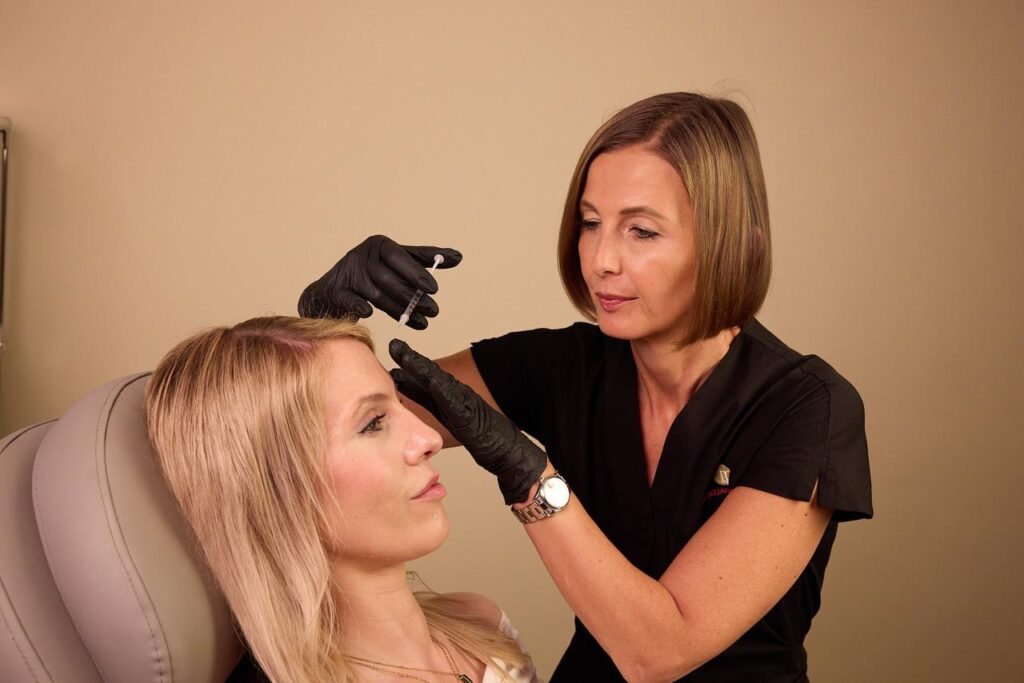
In an era shaped by social media, how do you manage patient expectations and maintain natural results?
Education and transparency are essential. Many visual references patients encounter today are digitally altered, filtered, or influenced by trends that are inherently transient. My role is to guide patients away from imitation and toward understanding their own anatomy and features.
I begin with a structured facial analysis and develop a shared treatment strategy that clearly outlines what is achievable, what may require staging, and what should be avoided. Rather than making promises, I discuss the range of change and long-term implications.
Interestingly, when patients understand that subtle, individualized results are more sustainable and elegant, they often feel reassured rather than disappointed.
Having worked extensively with patients globally, do you observe regional differences in aesthetic preferences?
Cultural context certainly influences aesthetic priorities. European patients often lean toward subtlety and prevention, seeking results that appear refreshed and understated. In the Middle East, there is frequently greater appreciation for defined contours, structural refinement, and luminous skin.
However, what is particularly encouraging is the growing global convergence toward natural-looking outcomes and longevity. Across regions, patients are increasingly valuing refinement, skin quality, and balanced results over exaggerated changes.
Are there treatments or concerns that tend to be more prominent in certain regions?
Some variations exist. Profile refinement, contour definition, and skin-brightening treatments are especially prominent in the Middle East, while European patients often prioritize preventative neuromodulator treatments and conservative volumization.
That said, demand for collagen stimulation, skin health, and non-surgical rejuvenation continues to grow universally. Patients everywhere are becoming more informed and sophisticated in their expectations.
What daily skincare routine do you recommend for different age groups or skin types?
Keep it simple and evidence-based: cleanse, treat, moisturize, protect.
Morning: gentle cleanse, antioxidant/niacinamide serum tailored to your concerns, lightweight moisturizer (gel for oily, cream for dry/sensitive), and broad-spectrum SPF 30–50.
Evening: cleanse, then a retinoid (start 2–3 nights/week and build), plus a barrier-supporting moisturizer; alternate with peptides or azelaic acid if sensitive.
In your 20s, prioritize barrier health and sun protection; in your 30s/40s, add consistent retinoids and antioxidants for collagen support and tone; in 50s+, focus on richer hydration, peptides, and pigment control (e.g., vitamin C, niacinamide). Adjust textures to skin type, introduce actives gradually, and consider gentle exfoliation (PHA/AHA or enzyme) 1–2× weekly if tolerated.
How do you balance aesthetic procedures with a proper skincare regimen?
Skincare sustains and amplifies procedural gains. I prep skin before energy or injectables, then use actives to maintain collagen, pigment balance, and barrier resilience. The result is fewer touch-ups, more uniform outcomes, and better patient satisfaction—skincare is the “daily physiotherapy” of aesthetics.
Are there ingredients or trends patients should be cautious about?
Be wary of unproven “miracle” cocktails, excessive at-home devices, and mixing too many strong actives (retinoids, AHAs/BHAs) without guidance. Natural doesn’t always mean gentle; medical-grade doesn’t always mean necessary. Patch test, introduce gradually, and prioritize photoprotection over fads.